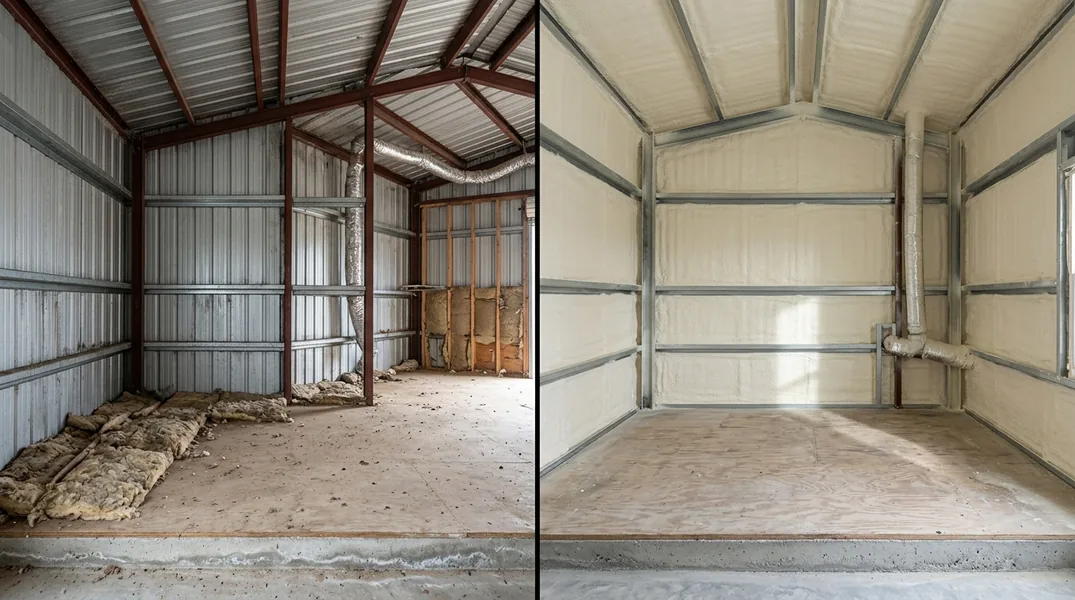
Why Historic Homes in Wilmington Need Modern Insulation Solutions
The charming historic neighborhoods of downtown Wilmington and Forest Hills tell the story of North Carolina's rich architectural heritage. These beautiful homes, many built in the early 1900s, feature original hardwood floors, ornate moldings, and timeless character that modern construction rarely captures. However, their age comes with a significant challenge: inadequate insulation.
Homes built during that era were typically constructed with minimal insulation, if any. The walls were often filled with sawdust, newspaper, or left completely hollow. The attics lack proper thermal barriers, and air leakage is rampant. For homeowners in Wilmington, this means higher energy bills, uncomfortable temperature swings, and potential moisture problems that can damage the home's structural integrity. Modern insulation solutions, particularly Attic Spray Foam Insulation, offer a way to preserve the historic character of these homes while dramatically improving their efficiency and comfort.
Is Spray Foam Insulation Worth It for Your Historic Home?
When considering whether spray foam insulation is worth the investment, the answer depends on several factors specific to your historic home. For many homeowners in Forest Hills and downtown Wilmington, the benefits far outweigh the initial cost. Spray foam creates an air-tight seal that traditional insulation simply cannot match, reducing energy consumption by 20 to 30 percent in many cases. This translates to lower heating and cooling costs year-round, which adds up significantly over time.
Beyond energy savings, spray foam provides superior moisture control, which is particularly important in Wilmington's humid climate. Historic homes are especially vulnerable to moisture infiltration, which can lead to mold growth, wood rot, and structural damage. Spray foam's ability to seal gaps and cracks prevents moisture from entering walls and attics, protecting your home's bones. Additionally, spray foam improves indoor air quality by reducing drafts and preventing outdoor pollutants from entering your living spaces. For homeowners committed to preserving their historic properties while enjoying modern comfort, spray foam insulation represents a worthwhile investment that pays dividends for decades.
Is Spray Foam Insulation Safe? Understanding the Facts
Safety is a legitimate concern for homeowners considering spray foam insulation, and it deserves a thorough, honest answer. When installed properly by certified professionals, spray foam is safe. The key phrase here is proper installation. During application, spray foam is composed of two liquid chemicals that react together to expand and harden. Immediately after application, the material can emit fumes, but once fully cured, it poses no health risk to occupants.
The critical factor is ensuring the foam is applied by trained technicians who follow industry standards and allow adequate curing time before the space is reoccupied. Professional installers use proper ventilation during application and ensure the foam is fully cured before sealing the space. Closed Cell Spray Foam Insulation is particularly safe because it creates a vapor barrier that prevents moisture and air infiltration, reducing the risk of mold and other contaminants. When you choose a reputable company like Wilmington Spray Foam Insulation with trained technicians and years of experience, you can feel confident that your installation meets the highest safety standards. If you have specific health concerns, we encourage you to contact us at (910) 218-9739 to discuss your situation in detail.
Spray Foam Off Gassing: What You Need to Know
Spray foam off gassing is one of the most misunderstood aspects of this insulation type. Off gassing refers to the emission of volatile organic compounds (VOCs) that occur during and immediately after foam application. This is a temporary process that occurs as the two-part foam components cure and harden. The smell and fumes you might notice are part of the normal curing process, not a sign of danger if the installation is handled properly.
The duration and intensity of off gassing depend on several factors, including the type of foam used, ventilation during installation, and ambient temperature. Open Cell Spray Foam Insulation typically off gasses more noticeably than closed cell foam, but both types emit minimal VOCs once fully cured, which typically takes 24 to 48 hours. Professional installers manage off gassing by ensuring proper ventilation during application and recommending that homeowners remain away from the work area during installation and for the recommended curing period. After curing, the foam becomes inert and poses no ongoing off gassing concerns. If you're concerned about off gassing or have chemical sensitivities, discuss your needs with your installer before work begins.
Spray Foam Insulation Pros and Cons: A Balanced Perspective
Like any building material, spray foam insulation has distinct advantages and limitations. The primary pros include superior air sealing that eliminates drafts and reduces energy consumption, excellent moisture control that protects historic homes from humidity-related damage, and the ability to fill irregular spaces and cavities that traditional insulation cannot reach. Spray foam also improves structural integrity by adding rigidity to walls and attics, and it provides sound dampening that creates quieter, more comfortable living spaces. For historic homeowners in Wilmington seeking to modernize their homes without sacrificing character, these benefits are substantial.
The cons worth considering include higher upfront pricing compared to fiberglass or cellulose insulation, the need for careful professional installation, potential off gassing during application, and the fact that spray foam is permanent once installed, making future renovations more complex. Some homeowners also express concerns about the environmental impact of foam production, though modern formulations are increasingly eco-friendly. Additionally, Wall & Injection Foam Insulation in existing walls requires careful assessment to ensure it's the right choice for your specific home structure. Despite these considerations, most homeowners who invest in spray foam insulation report high satisfaction with the results, particularly when addressing the energy efficiency and moisture control challenges common in historic homes.
Spray Foam Insulation Problems: What Homeowners Should Watch For
While spray foam insulation is generally reliable when properly installed, certain problems can occur if the work is not completed to professional standards. Poor installation can result in uneven application, incomplete coverage, or inadequate curing time, all of which compromise the insulation's effectiveness. In some cases, improperly installed foam can trap moisture within walls, leading to mold growth and structural damage. Additionally, if the foam is applied too thickly or in high humidity conditions, it may not cure properly, resulting in soft spots that don't provide adequate insulation value.
Another potential issue involves incompatibility with certain building materials or existing insulation. Some homeowners have reported problems when spray foam is applied over certain types of vapor barriers or in attics with specific ventilation configurations. This is why professional assessment is essential before installation. The best way to avoid spray foam insulation problems is to work with experienced, insured contractors who understand the unique challenges of historic homes in Wilmington's climate. When you're ready to move forward, contact Wilmington Spray Foam Insulation at (910) 218-9739 or request a free estimate to ensure your project is handled correctly from start to finish. Our team will assess your home's specific needs and recommend the best insulation solution for your situation.
Looking for a professional spray foam insulation contractor in Wilmington? Wilmington Spray Foam Insulation responds fast for all your spray foam insulation needs.
Get a Free Quote